
Introduction: A Discovery That Defied Expectations
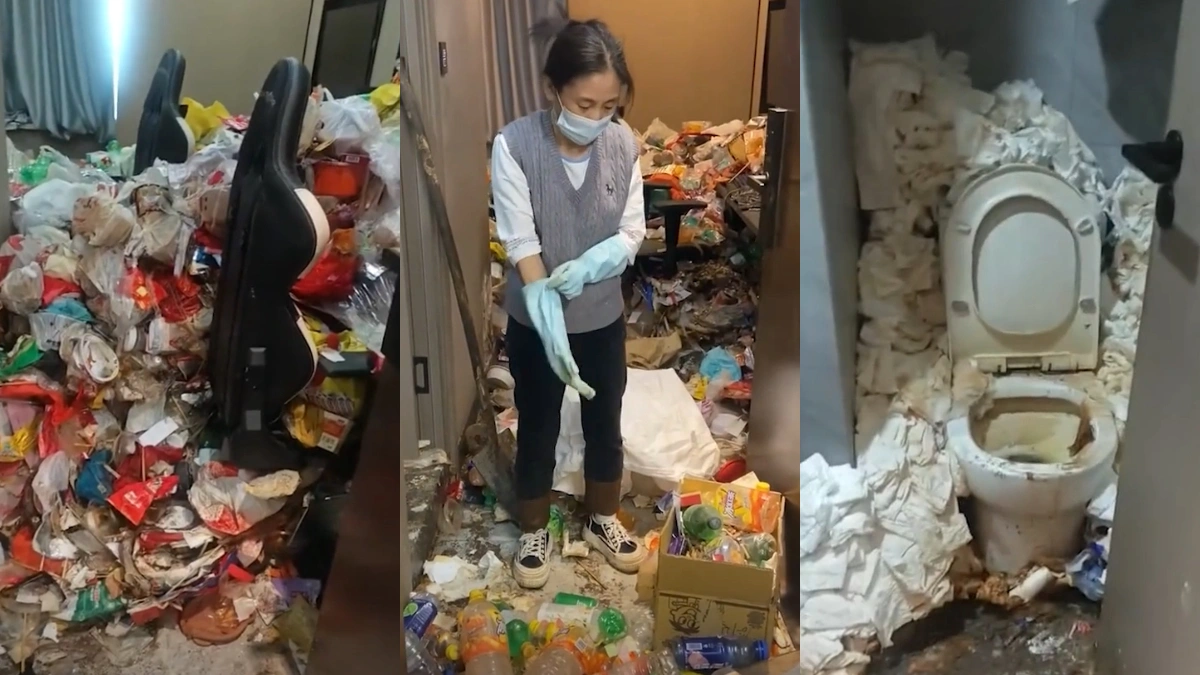
In the hospitality industry, “long-stay” guests are usually perceived as a blessing for consistent revenue. However, a recent viral story out of Malaysia has highlighted the darker, often unmentioned side of extended hotel residencies. After a guest checked out from a two-year stay at a local hotel, staff members were met not with a standard turnover routine, but with a scene of absolute environmental devastation.
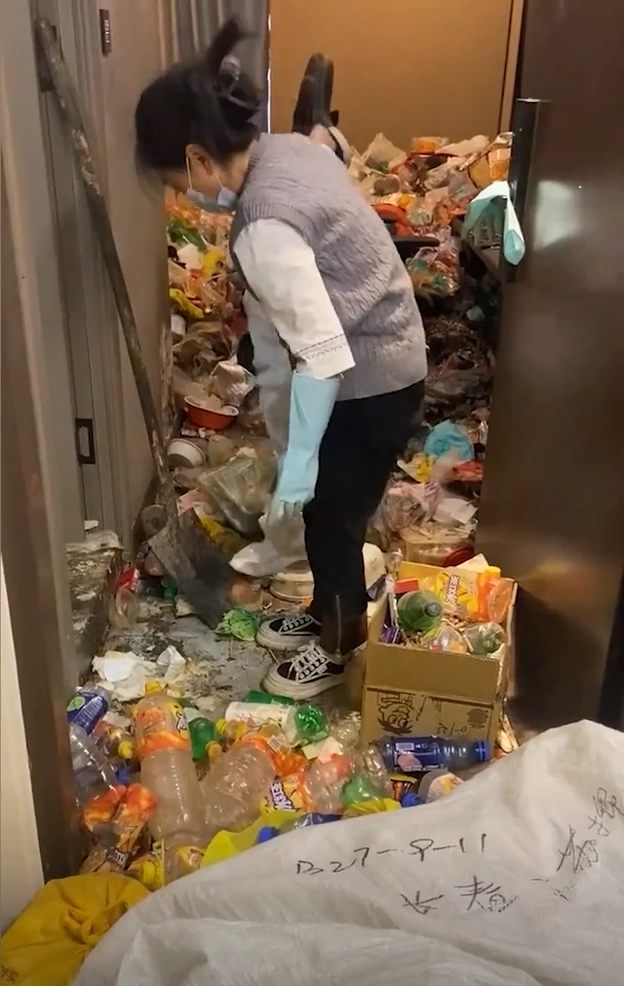
The room—which had served as the guest’s primary residence for 24 months—was buried under a mountain of plastic waste, rotting food containers, and discarded personal items. This incident has sparked a massive debate online regarding guest ethics, mental health awareness, and the operational loopholes in modern hotel management.
The Incident: Two Years of Hidden Accumulation
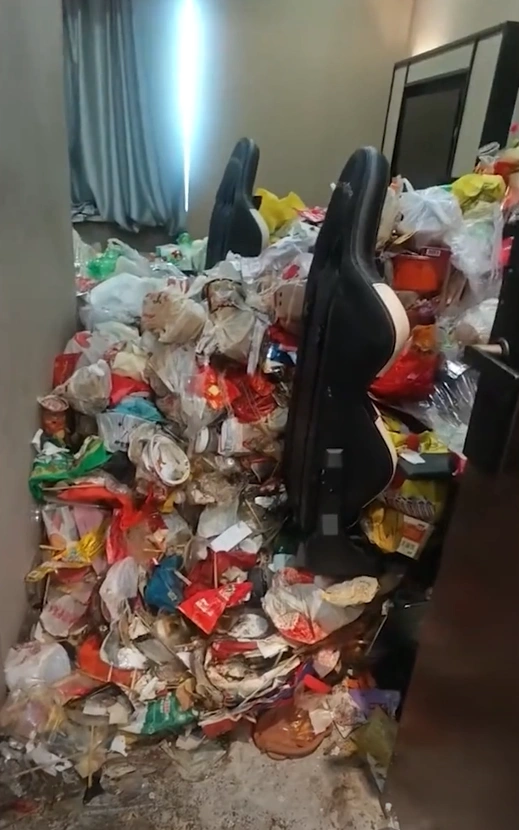
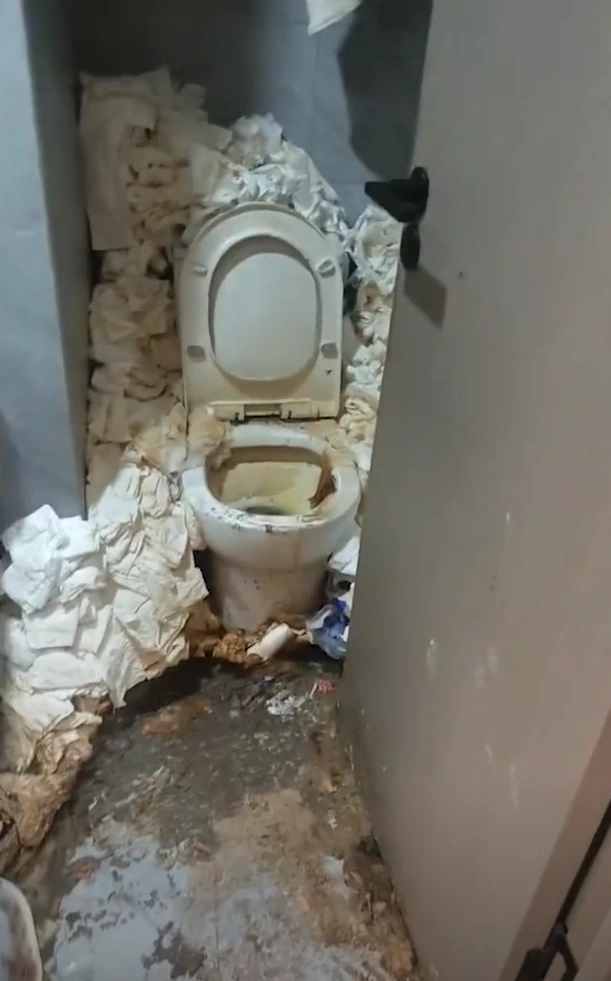
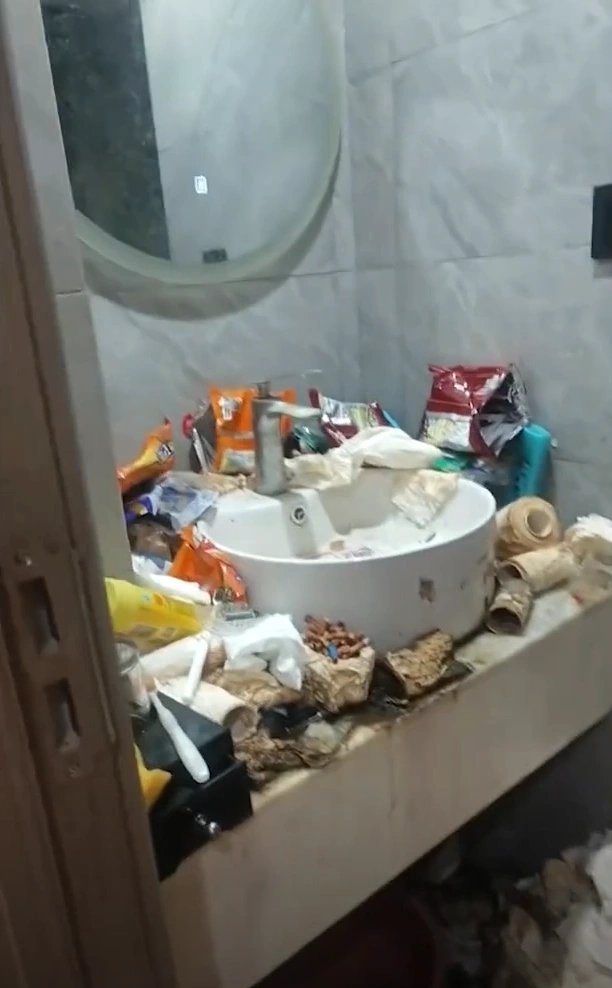
According to reports that initially surfaced on social media and were subsequently covered by regional outlets like SAYS, the discovery was made only after the guest finally vacated the premises. The visual evidence shared by cleaning staff showed a room where the floor was no longer visible, replaced by layers of refuse that suggested months, if not years, of neglect.
Key Details of the Viral Case:
- Duration of Stay: Approximately 2 years (24 months).
- Condition of the Room: Floor-to-ceiling trash, including food waste and hundreds of plastic bottles.
- Cleaning Impact: Professional deep cleaning, hazardous waste removal, and structural sanitization were required.
While many social media users reacted with visceral disgust, the incident raises a deeper, more professional question for the industry: How does a professional establishment allow a room to reach this state over such an extended period?
The “Quiet Guest” Syndrome: How Management Missed the Signs
In many long-term stay scenarios, guests who pay on time and do not cause noise complaints often fly under the radar of management. Industry experts suggest that these “Quiet Guests” are rarely scrutinized, leading to a breakdown in property maintenance.
There are several reasons why such a situation could go undetected for 730 days:
- Privacy Requests: Long-term guests often utilize “Do Not Disturb” signs for weeks at a time, claiming they value privacy for remote work or unusual sleep schedules.
- Payment Consistency: As long as the credit card on file clears every month, management may feel a false sense of security, assuming the guest is responsible.
- Staffing Shortages: In the post-pandemic landscape, many hotels operate with leaner teams, leading to fewer routine room inspections and less interaction between staff and long-term residents.
The Human Element: Is This Hoarding or Negligence?
Psychologists point out that incidents of this magnitude are rarely about mere “laziness.” Extreme clutter and the accumulation of waste in a living space are often symptomatic of Squalor Syndrome or Compulsive Hoarding Disorder.
When an individual transitions their life into a hotel room, the lack of a traditional support system, family oversight, or community engagement can cause these mental health issues to spiral. The isolation of a hotel room provides a “bubble” where the individual feels safe from the judgment of the outside world, allowing the waste to accumulate until it becomes a physical and biological hazard.
Legal and Operational Safeguards for Property Owners
For hotel owners, Airbnb hosts, and property managers, this viral story serves as a critical cautionary tale. To prevent a property from becoming the next viral “trash room,” several professional protocols must be implemented:
1. Mandatory Weekly Wellness Checks
Even for long-term guests, the “Right of Entry” should be clearly established in the terms and conditions. A “Wellness Check” or “Mandatory Housekeeping” every 7 days ensures the property is being maintained and the guest is safe.
2. Maintenance-Led Access
If a guest consistently refuses housekeeping, hotels should schedule a “routine maintenance check” for air conditioning filters or fire alarms. This provides a professional and non-confrontational reason to view the state of the room.
3. Clear Long-Term Contracts
Standard hotel stays are governed by different laws than residential tenancies. It is vital to ensure that contracts specify that excessive cleaning fees and damages will be charged if the room is returned in a state of “extraordinary neglect.”
The Environmental Impact of “Takeaway Culture”
A striking feature of the documentation from this incident was the volume of single-use plastics and food delivery packaging. This highlights a growing environmental concern in the “gig economy” era. With the rise of food delivery apps, a person can live entirely within four walls without ever having to dispose of their own trash properly, provided they have the means to keep ordering more.
Industry Risk Analysis
| Risk Factor | Impact Level | Mitigation Strategy |
|---|---|---|
| Property Damage | High | Security Deposits & Insurance |
| Sanitation Hazards | Extreme | Mandatory 7-Day Cleaning |
| Legal Disputes | Medium | Detailed Terms of Service |
| Brand Reputation | High | Proactive Crisis Management |