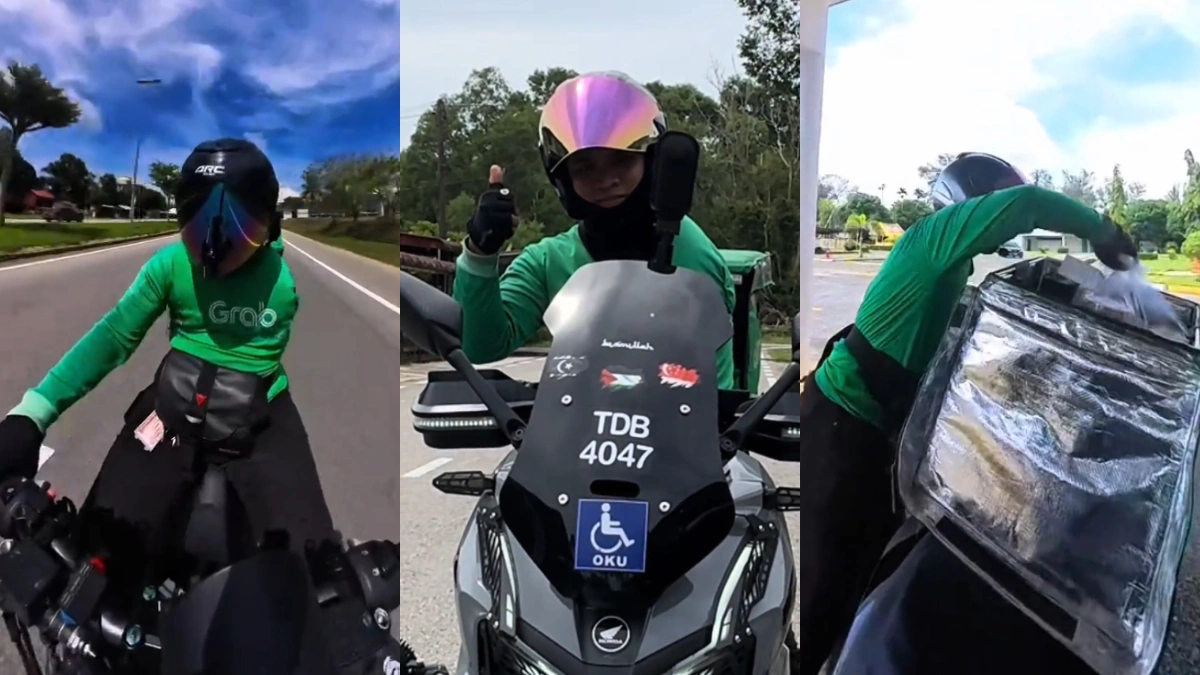

The Incident: A Retrospective on the 2017 Collision
The accident occurred in mid-2017, a time when food delivery apps were beginning their meteoric rise in Singapore. A GrabFood delivery rider, then a young individual striving to make an honest living, was involved in a severe collision with a motor vehicle at a major traffic junction. The impact resulted in catastrophic, life-altering injuries, including permanent physical disability.
At the heart of the initial investigation was the question of liability. Did the rider fail to follow traffic signals, or did the driver of the motor vehicle neglect their duty of care? In the years that followed, dashcam footage, witness testimonies, and forensic reconstructions became the bedrock of a long-drawn-out legal battle.
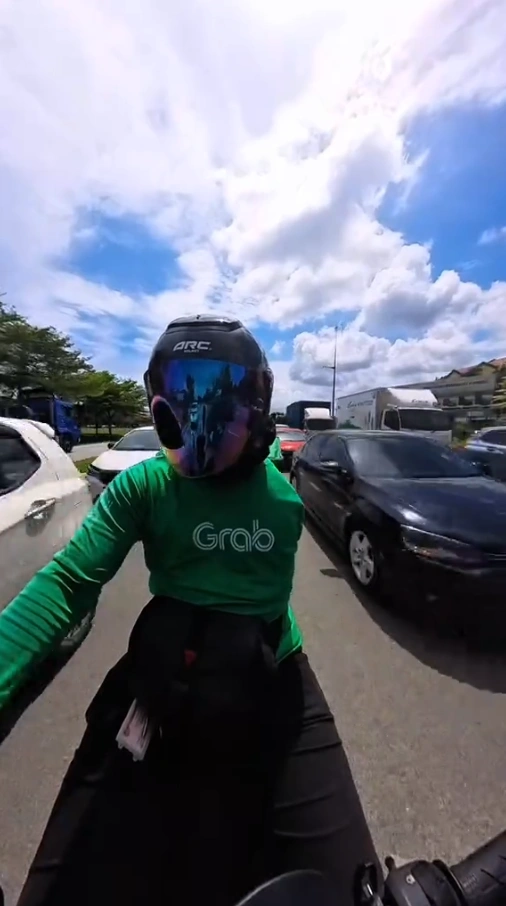
The 8-Year Legal Journey: Why It Took So Long?
Many observers wonder why a personal injury claim took nearly a decade to reach a conclusion. The delay was primarily due to two factors: Medical Finality and Legal Complexity.
- Medical Assessment: In cases of severe disability, courts often wait for the victim’s condition to stabilize to accurately quantify “future loss of earnings” and “ongoing medical costs.”
- Determining Negligence: The court had to meticulously weigh the “Contributory Negligence” of both parties. In Singapore’s tort law, if a rider is found even 10% or 20% at fault, their total compensation is reduced accordingly.
“The 2025 ruling is not just about a financial settlement; it is a validation of the rider’s struggle and a clarification of the ‘duty of care’ that motorists owe to vulnerable road users.” – Legal Analyst Perspective.

2017 vs. 2025: Evolution of Gig Worker Protections
To understand the value of this ruling, one must compare the safety landscape of 2017 to the current 2025 standards. The industry has undergone a massive transformation:
| Feature | Status in 2017 | Status in 2025 |
|---|---|---|
| Insurance | Minimal/Optional | Mandatory Occupational Insurance |
| Worker Status | Independent Contractors | “Platform Workers” with CPF Rights |
| Safety Equipment | Basic/Inconsistent | Standardized and Regulated |
The 2025 judgment acknowledges these shifts. The court noted that while the rider was an independent contractor in 2017, the modern understanding of “Platform Work” necessitates a higher degree of corporate responsibility regarding the safety of those carrying out the services.
The Financial Verdict and Compensation Breakdown
In December 2025, the High Court (or relevant tribunal) awarded a significant sum to the victim. The compensation was broken down into several key categories, highlighting the thoroughness of the Singaporean judicial system:
- General Damages: For the pain, suffering, and loss of amenities resulting from the physical injuries.
- Special Damages: To reimburse actual expenses incurred, such as medical bills and transport costs from 2017 to the present.
- Loss of Future Earnings: A calculated amount based on what the rider would have earned had the accident not occurred, adjusted for inflation and career progression.

SEO Value: Lessons for Today’s Delivery Partners
For the thousands of riders currently working for platforms like Grab, Foodpanda, and Deliveroo, this case offers vital takeaways:
- The Importance of Evidence: Always ensure you have a working helmet camera or dashcam. In this case, digital evidence played a crucial role in clearing up conflicting testimonies.
- Understanding Insurance: Riders should be fully aware of the coverage provided by their platforms and consider supplementary personal accident insurance.
- Compliance is Key: Adhering to the Active Mobility Act isn’t just about avoiding fines; it’s about ensuring you have a strong legal standing if an accident occurs.

Conclusion: A Landmark for Future Safety
The resolution of the 2017 GrabFood accident in late 2025 is more than a news headline; it is a legal landmark. It reinforces the idea that justice, while sometimes slow, is persistent. For the gig economy, it signals that the safety of the individual cannot be sacrificed for the efficiency of the algorithm.
As we move forward, the lessons learned from this eight-year legal saga will undoubtedly shape future policies, ensuring that Singapore’s roads become safer for everyone—whether they are on four wheels or two.
Source Reference: This analysis is based on reporting from Mothership.sg and public legal records regarding Singapore traffic accident settlements (2025).