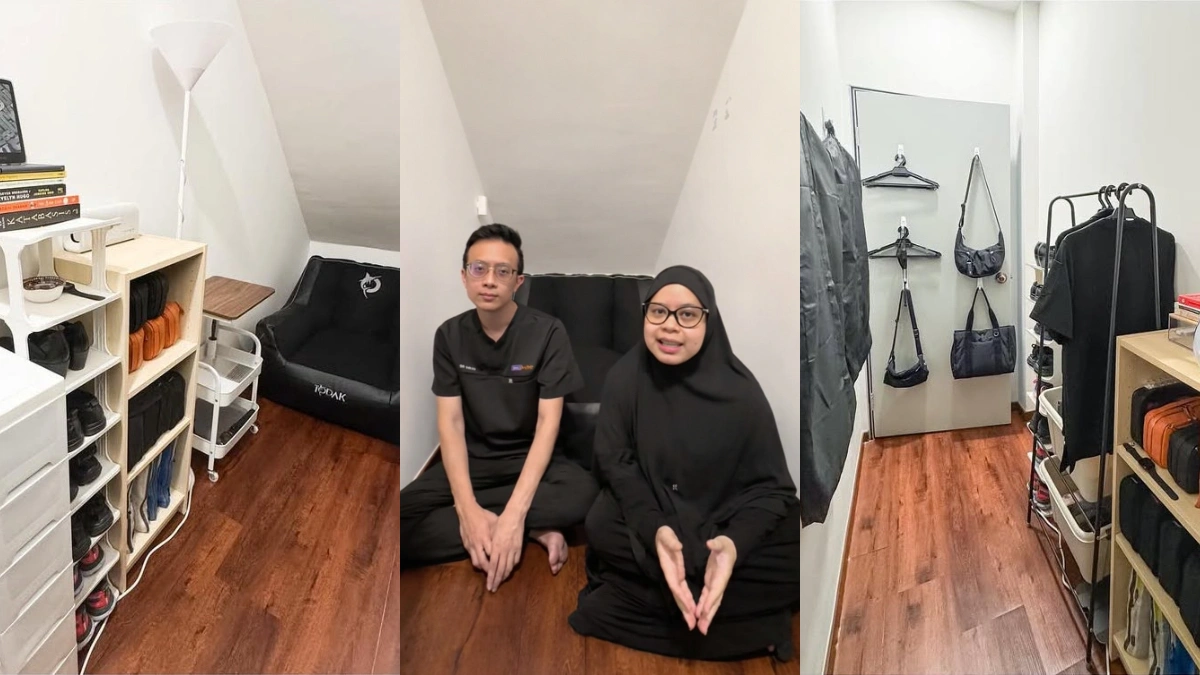


The Psychology Behind Micro-Living and Mental Clarity
For many, the idea of living in a space barely larger than a storage closet sounds claustrophobic. However, environmental psychology suggests that excessive “stuff” can lead to sensory overload. For a doctor dealing with life-and-death decisions daily, a cluttered home can exacerbate decision fatigue.
By choosing a 45-sqft space, Dr. Rachel has effectively eliminated the physical and mental overhead of maintaining a large household. In her interview, she emphasized that this lifestyle allows her to focus on her primary goal: recovering from the intense demands of the medical field.
“Minimalism isn’t just about removing things; it’s about adding focus. When you have less to manage, you have more room to breathe.”
Financial Freedom: A Modern Doctor’s Perspective
It is a common misconception that all doctors are wealthy. In reality, young medical officers often face significant student debt and long hours with stagnant wages. Dr. Rachel’s decision to embrace frugal living is a masterclass in financial intentionality.
- Reduced Overhead: Lower rent allows for aggressive debt repayment or high-yield investments.
- Eliminating Lifestyle Inflation: Avoiding the trap of buying “status symbols” to match professional peers.
- Time Wealth: Less space means less time spent on cleaning, maintenance, and organization.
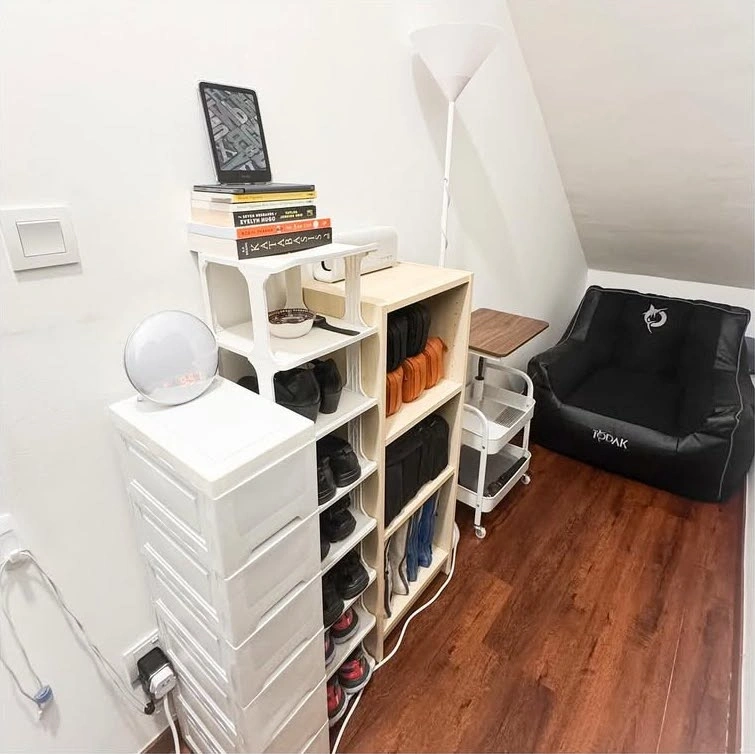
Is Extreme Minimalism Sustainable?
Critics argue that living in such a small space is a sign of a broken housing market. While that may be true on a systemic level, on an individual level, Dr. Rachel’s choice is an act of agency. She is not a victim of her circumstances; she is the architect of her own peace.
The sustainability of micro-living depends on the “Third Space” theory. To live happily in 45 square feet, one must utilize public spaces—libraries, parks, and cafes—as their extended living room. This encourages a more social and active lifestyle, rather than being isolated behind the walls of a large, empty house.
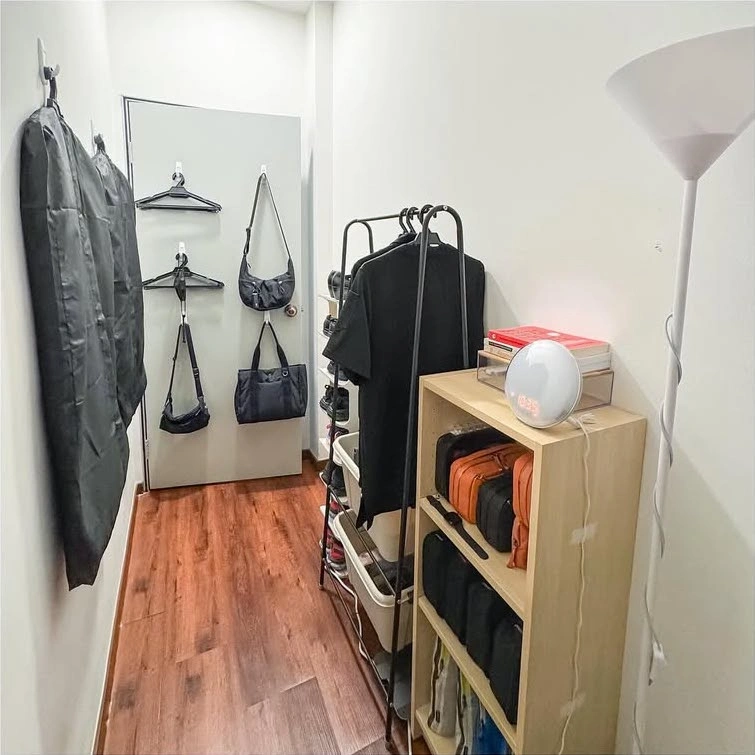
Key Benefits of Frugal Minimalism for Professionals:
- Lower Stress Levels: Fewer chores lead to lower cortisol levels.
- Increased Mobility: Having fewer possessions makes it easier to relocate for career opportunities.
- Environmental Impact: A smaller footprint means lower energy consumption.
Best Practices for Small Space Living
If you’re considering a similar transition to minimalist living or micro-apartments, here are the top strategies to ensure your mental health remains a priority:
1. Prioritize Vertical Storage
When floor space is limited, look up. Use floating shelves and wall hooks to keep the ground clear, which creates the illusion of a larger room.
2. Invest in High-Quality Essentials
Minimalism doesn’t mean “cheap.” It means “fewer but better.” Invest in a high-quality mattress and noise-canceling headphones to ensure your 45 square feet feels like a five-star sanctuary.
3. Digital Decluttering
Physical minimalism is only half the battle. To truly save your mental health, you must also declutter your digital life—apps, notifications, and unnecessary emails.
Conclusion: The Future of Urban Living
Dr. Rachel’s story is a wake-up call for a generation burnt out by consumerism. Whether or not you could live in 45 square feet, the lesson remains: Your mental health is worth more than your possessions. By embracing frugal minimalism, we can find the margin we need to live more meaningful, intentional lives.
Original Source: This article was inspired by a report on Says.com regarding Dr. Rachel’s lifestyle journey.