By Tun Daily
In the digital age, viral videos come and go with the swipe of a finger. However, occasionally, a moment captures the collective heart of the internet not just because it is adorable, but because it speaks to a fundamental truth about human connection.
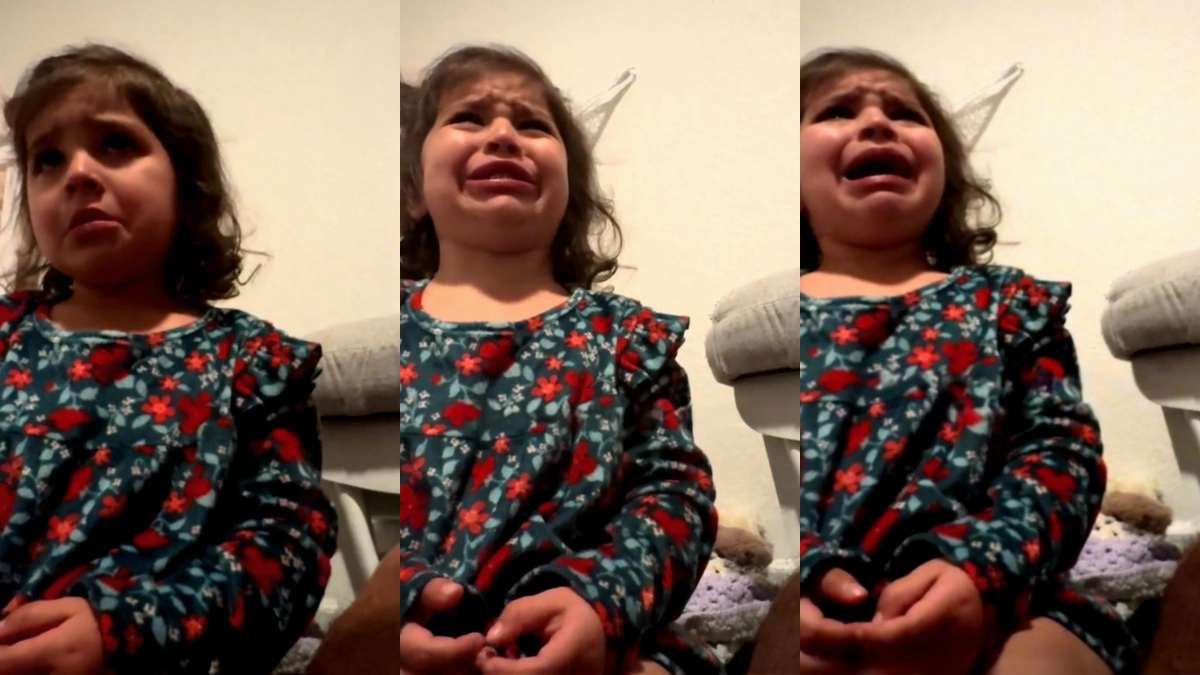
Recently, a TikTok video featuring a young Mexican-American toddler went viral for a reason that is as hilarious as it is heartwarming: he was genuinely devastated to discover he is not Chinese.
For content creators, parents, and cultural commentators alike, this viral moment serves as more than just a quick laugh. It offers a fascinating glimpse into how children perceive identity, the power of food as a cultural bridge, and the beautiful innocence that exists before societal labels take hold.
The Viral Moment: Tears Over Quesadillas and Wontons
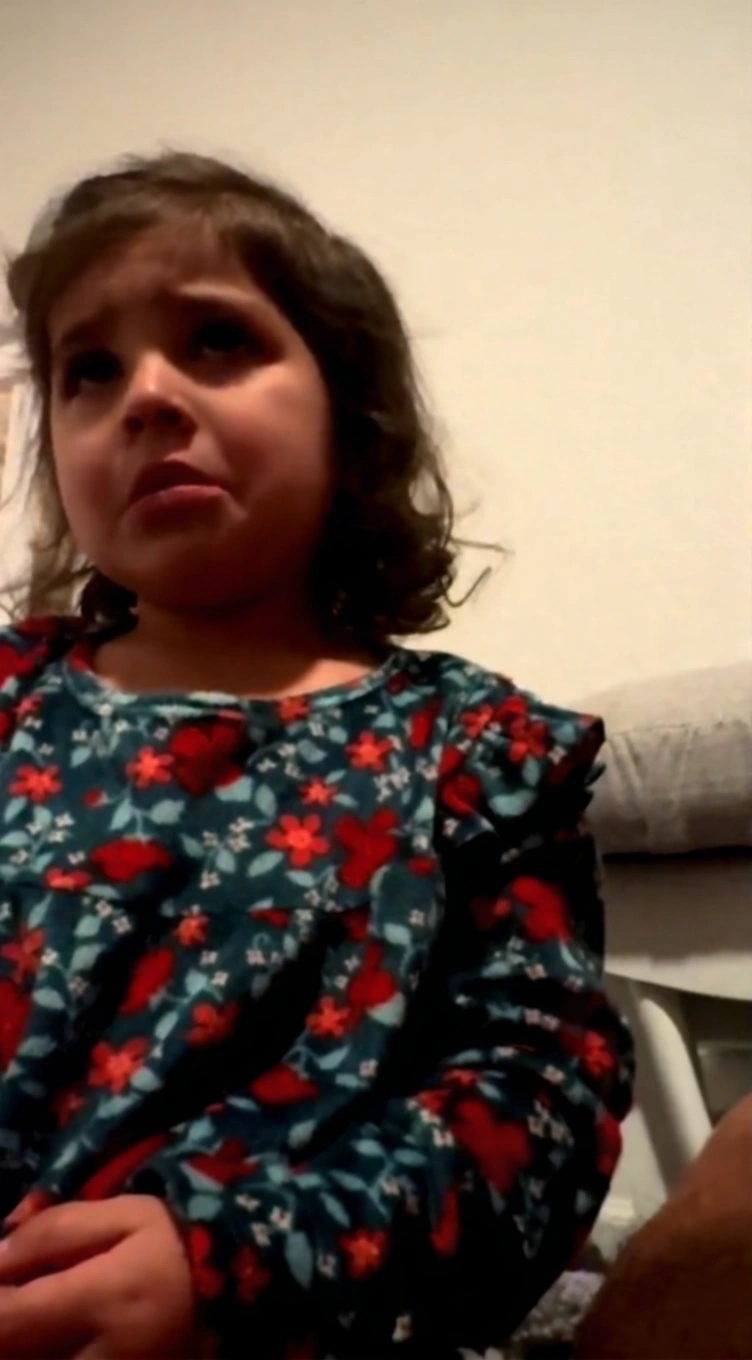
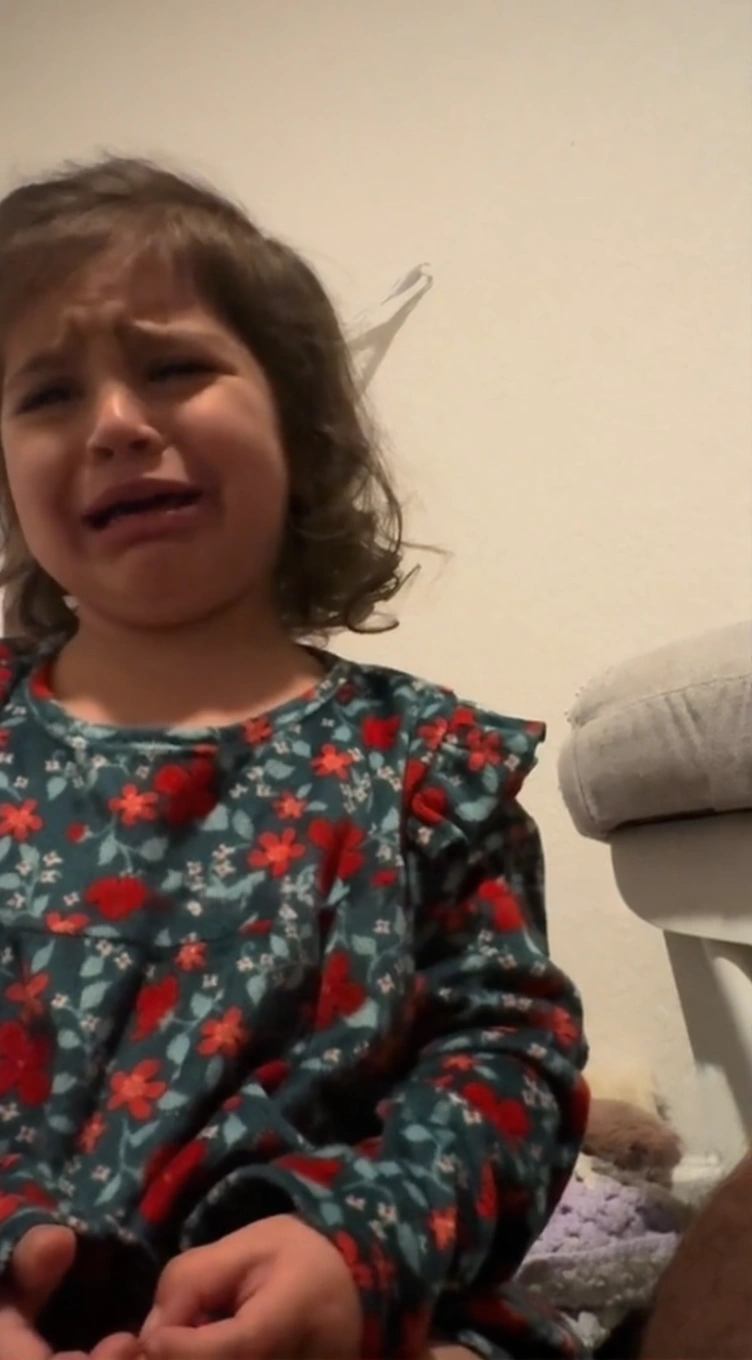
The story, originally highlighted by platforms like NextShark, centers on a young boy named Carter. In the video, Carter is seen in genuine emotional distress. The cause of his tears? His mother broke the news to him that he is Mexican-American, not Chinese.
The toddler’s reaction is raw and unfiltered. He vehemently rejects his actual heritage in favor of the one he has grown to love—specifically through its cuisine. He didn’t want quesadillas; he wanted dumplings. To his developing mind, “being Chinese” was synonymous with the delicious food he adored and the culture he had perhaps observed and fallen in love with.
While the mother gently (and amusedly) tries to explain his actual lineage, the toddler’s disappointment is palpable. It is this pure reaction that caused the video to skyrocket in popularity, amassing millions of views and comments from users who found the identity crisis both relatable and incredibly sweet.
Analysis: Why Food is the Universal Language for Kids
Why would a child reject their own heritage for another? To understand this, we must look at how toddlers view the world through the lens of developmental psychology.
Psychologists note that young children are “concrete thinkers.” They do not fully understand abstract concepts like genetics, ancestry, or geographical borders. Instead, they build their identity based on their immediate experiences and what brings them pleasure.
- Positive Reinforcement: If a child’s happiest moments involve eating dim sum or watching a specific cartoon, they associate that culture with pure happiness.
- The “Yum” Factor: Food is often the very first introduction a child has to a culture outside their own. For this toddler, the flavors of Chinese cuisine were likely more appealing at that moment than the food at home.
- Absence of Bias: This viral moment is a powerful reminder that children are born without prejudice. They do not see “us vs. them.” They simply see “things I love” vs. “things I don’t know yet.”
This phenomenon is actually a positive sign of a multicultural upbringing. It shows that the parents have exposed the child to diverse experiences, allowing him to appreciate something different so deeply that he wants to claim it as his own.
Cultural Appreciation vs. Identity
In an era where conversations about cultural appropriation are often fraught with tension, this toddler’s reaction is a refreshing example of pure cultural appreciation.
There is no malice or pretense in his desire to be Chinese. It is admiration in its purest form.
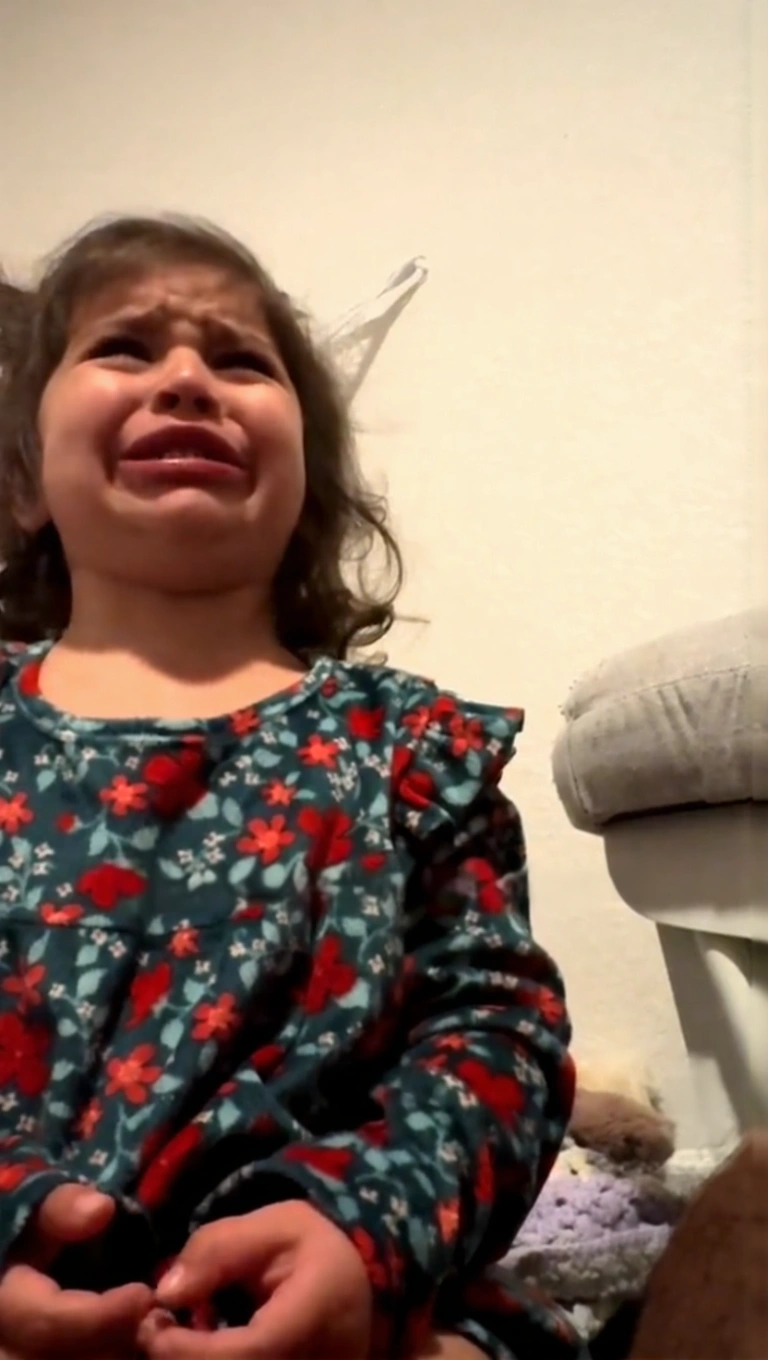
Internet users were quick to point out the beauty of this cross-cultural love. Comments ranged from “He’s invited to the cookout!” to “He’s an honorary Asian!” This reaction highlights a supportive online community that recognizes the toddler’s tears as a compliment to Chinese culture rather than a rejection of his Mexican roots.
It also sparks a conversation about the modern “American experience.” For many growing up in diverse communities, the lines between cultures blur. A child can be Mexican-American by blood, eat Chinese food for dinner, listen to K-Pop, and watch British cartoons. This toddler represents the future of a globalized generation.
The Parenting Angle: Navigating Identity with Humor
One of the unsung heroes of this viral clip is the mother. Her reaction—filming the moment while laughing and gently correcting him—demonstrates a modern, empathetic parenting style.
Instead of being offended that her son didn’t want to embrace his Mexican heritage in that moment, she allowed him to express his feelings. She didn’t scold him; she engaged with him.
Tips for Parents in Multicultural Homes:
- Exposure is Key: Continue to introduce diverse foods and traditions. It expands a child’s worldview.
- Gentle Education: When a child is confused about their identity (as Carter was), use it as a teaching moment without shutting down their interests.
- Celebrate Both: Perhaps the solution for Carter is a fusion dinner—dumplings and tacos—to show that he doesn’t have to choose one over the other.
Conclusion: A Lesson in Love and Wontons
The viral story of the Mexican-American toddler who wants to be Chinese is more than just “clickbait.” It is a heartwarming testament to the power of culture to transcend genetics.
It reminds us that at our core, we gravitate toward what nurtures us. For Carter, that happened to be Chinese culture. As he grows up, he will undoubtedly learn to love and cherish his Mexican roots, but hopefully, he will never lose that deep,intrinsic appreciation for cultures different from his own.
In a world that often focuses on what divides us, sometimes it takes a toddler crying over dumplings to remind us of what brings us together: shared joy, shared food, and the universal desire to belong.
This article includes analysis based on viral trends reported by NextShark and other outlets.