
By Tun Daily
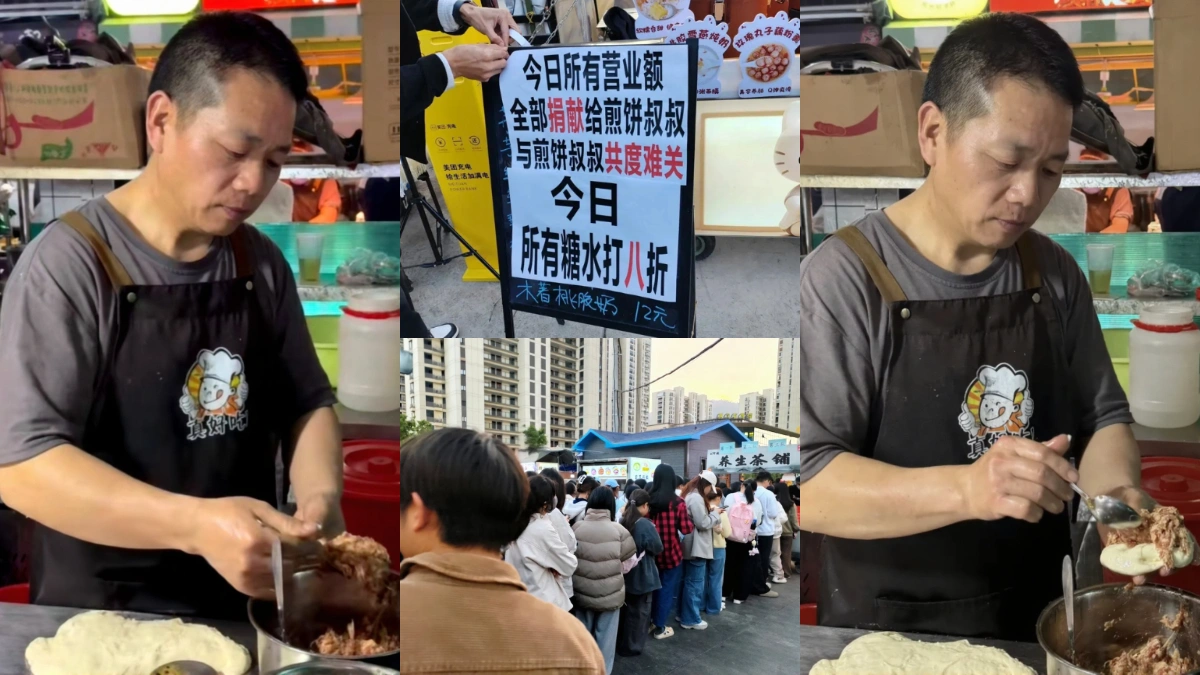
The heart of Singapore’s food culture has always been more than just the dishes served; it is the “Kampong Spirit” that binds the people behind the stalls. Recently, this spirit was put on full display as a group of local vendors launched a heartfelt fundraising campaign to support a fellow hawker facing a daunting battle with stage 4 cancer.
In an era where the F&B industry faces rising costs and stiff competition, this story serves as a powerful reminder that compassion remains the ultimate currency in Singapore’s local markets. By transforming a place of business into a sanctuary of support, these vendors are redefining what it means to be a community in the 21st century.
A Diagnosis That Shook the Market
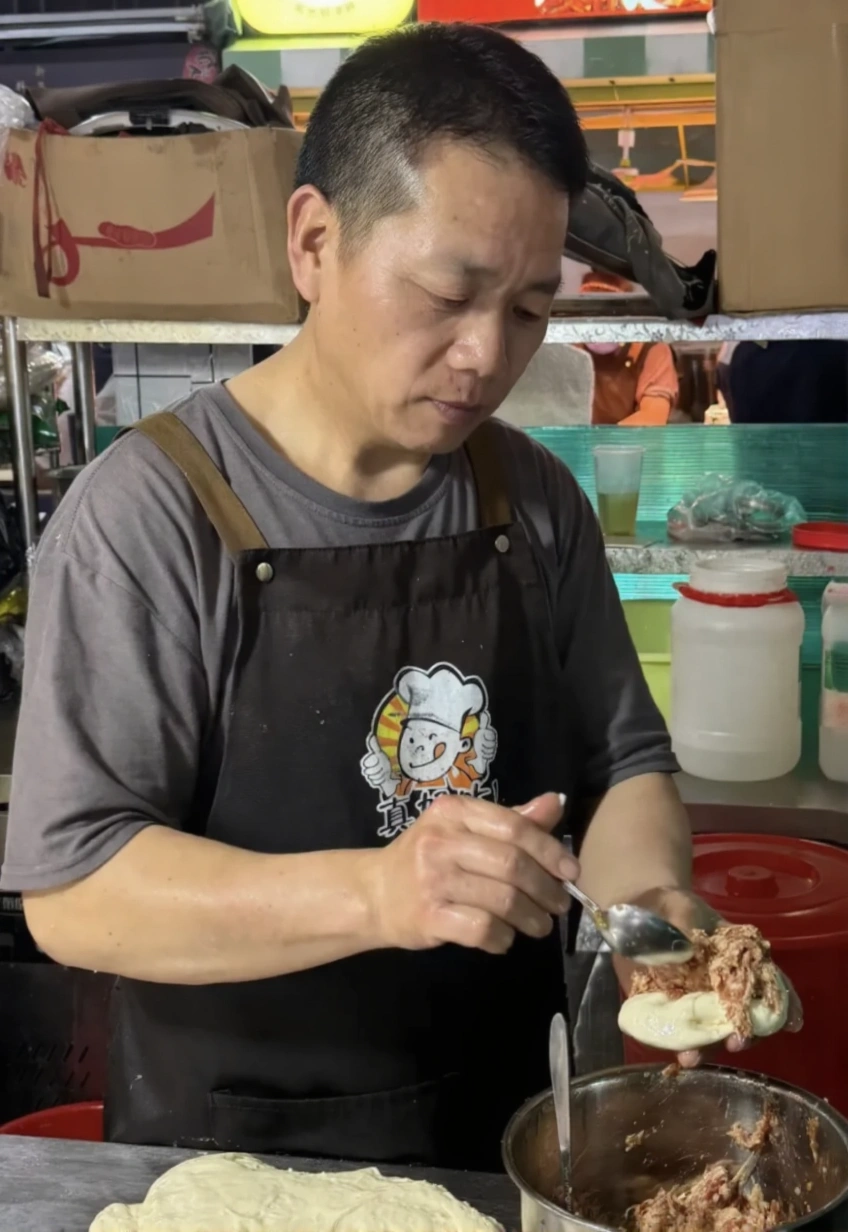
The story began when the community learned that a long-time vendor, known for their dedication and friendly presence, was diagnosed with advanced-stage cancer. For many small-scale business owners, such a diagnosis is not just a health crisis but a financial catastrophe. Without the safety nets of large corporate health insurance or paid medical leave, the mounting costs of chemotherapy, hospital stays, and specialized treatments can quickly become insurmountable.
For a hawker who relies on daily sales to survive, the inability to work while undergoing treatment creates a double-edged sword: the need for expensive medical care at a time when income has completely halted. This is where the local community stepped in to fill the gap.
The Power of Collective Action
Rather than standing by, the neighboring vendors organized a series of charity initiatives that demonstrate remarkable solidarity:
- Donation Boxes: Placed at high-traffic stalls and entrance points to collect spare change and larger contributions from loyal customers.
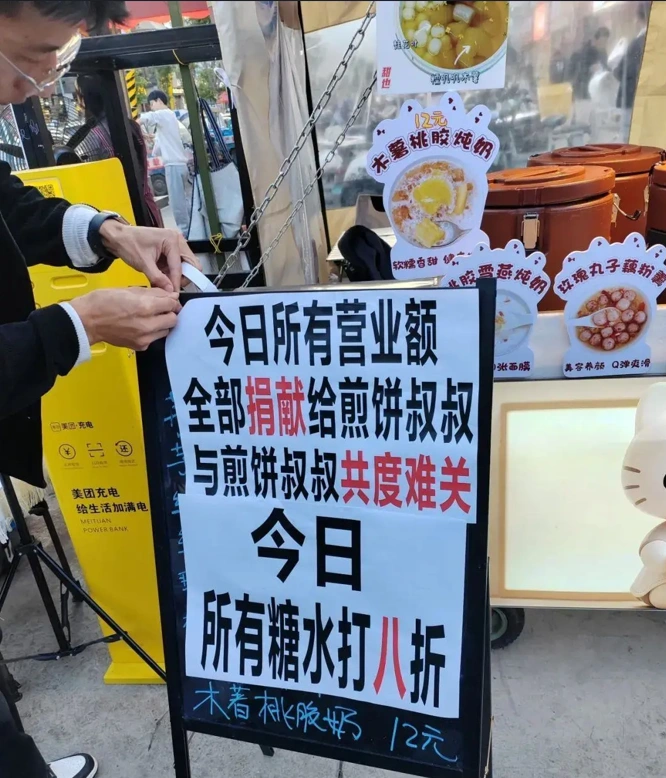
- Proceeds Pledges: Several vendors took the bold step of pledging a significant percentage (often 10% to 20%) of their daily sales directly to the medical fund.
- Awareness Campaigns: Utilizing social media platforms like Facebook and WhatsApp, as well as simple word-of-mouth, to inform the wider neighborhood about their colleague’s plight.
- Direct Peer Support: Beyond money, vendors have been helping to manage the patient’s stall logistics and providing emotional support to the family.
Why This Matters: The Resilience of the Hawker Community
The Singapore hawker culture is a UNESCO-recognized intangible cultural heritage. However, the human element—the struggle and triumph of individual vendors—is what truly defines it. When a vendor falls ill, the impact ripples through the entire ecosystem of the market.
“We are more than just neighbors; we are a family. When one of us is hurting, we all feel it. We want to ensure our friend can focus on recovery without worrying about the next hospital bill or how their family will eat tomorrow.” — Local Stall Owner
This initiative showcases the “gotong royong” (communal helping) spirit that is often feared to be fading in modern cities. It proves that in the face of life-threatening illnesses, the local community remains the strongest first line of defense.
Understanding the Costs in Singapore
While Singapore boasts one of the world’s best healthcare systems, the financial reality of late-stage cancer is sobering. According to recent health data, the cost of specialized cancer drugs and outpatient treatments can range from $8,000 to over $15,000 per month. For a self-employed individual, these costs are life-altering.
Community-led fundraising acts as a critical bridge. It provides the “immediate liquidity” needed during the often-lengthy waiting periods for government grants, insurance claims, or MediShield Life payouts. This grassroots funding often covers non-medical necessities like transportation, specialized diets, and household bills that standard insurance might overlook.
How the Public Can Support Local Vendors
If you wish to support local vendors in similar situations, consider these three impactful steps:
- Direct Patronage: Continue eating at their stalls or neighboring stalls participating in the fund. Steady income allows these businesses to keep their doors open while they give back.
- Verified Donations: Always ensure you are donating through official channels, registered market committees, or recognized crowdfunding platforms to ensure the funds reach the intended recipient.
- Spreading the News: Digital visibility is key. A simple share on social media can connect a struggling vendor with a donor who has the means to make a transformative difference.
The Social Impact of Grassroots Charity
From a sociological perspective, grassroots fundraising in Singapore highlights a “social safety net” created by the citizens themselves. While institutional support is vital, the speed and emotional weight of community action provide a psychological boost that money alone cannot buy.For a patient, knowing that their life’s work and their presence in the community are valued is a key factor in mental resilience.
This story also highlights the importance of health insurance awareness for self-employed individuals. Experts suggest that such events often trigger a “wake-up call” for other vendors to review their own coverage, leading to better long-term community stability.
Final Thoughts: A Lesson in Compassion
The story of these Singaporean vendors is not just about the money raised; it is about the refusal to let a teammate fight a life-threatening battle alone. As the campaign continues, it stands as a testament to the enduring strength of the social fabric that keeps Singapore vibrant and kind. When we support our local hawkers, we aren’t just buying a meal; we are sustaining a community that looks out for its own.
Source & Trust: Information adapted from local community reports and MustShareNews. For verified updates on this specific case or to contribute, readers are encouraged to visit the official Facebook pages of the involved market associations or verified crowdfunding links.