By Tun Daily | Viral Trends & Lifestyle
In the realm of internet pets, we are used to seeing Golden Retrievers living in mansions or cats eating gourmet salmon. However, a new contender has emerged from the waters of Indonesia to challenge our perception of what a “cuddly” pet can be.
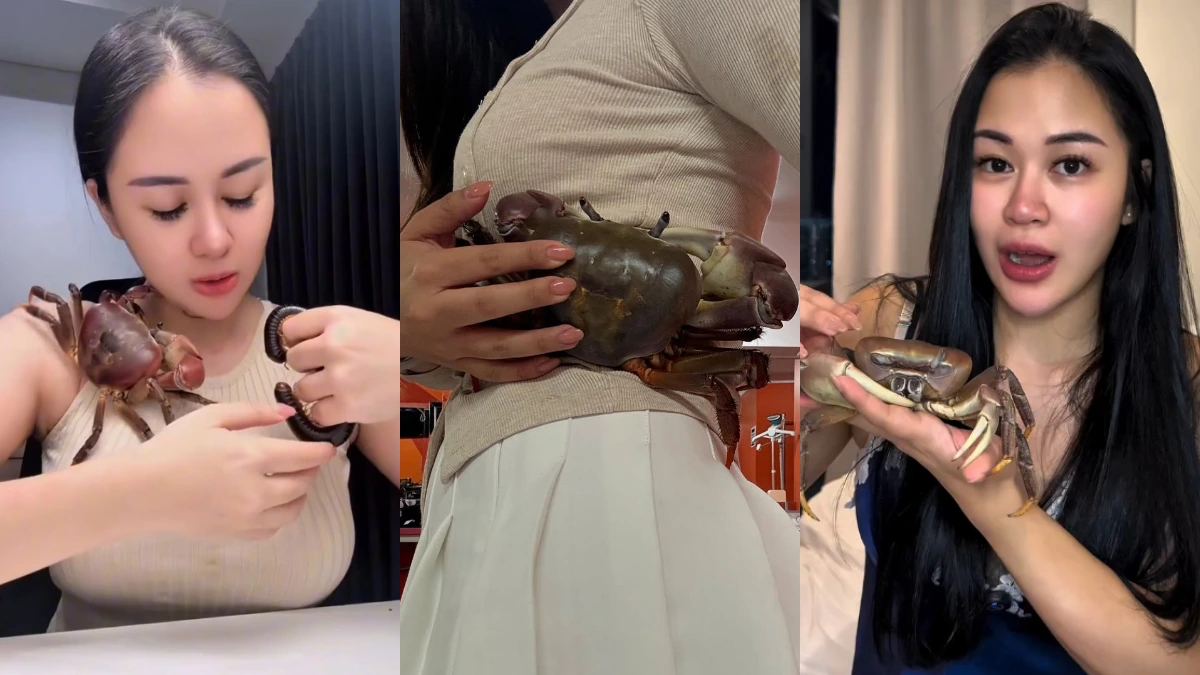
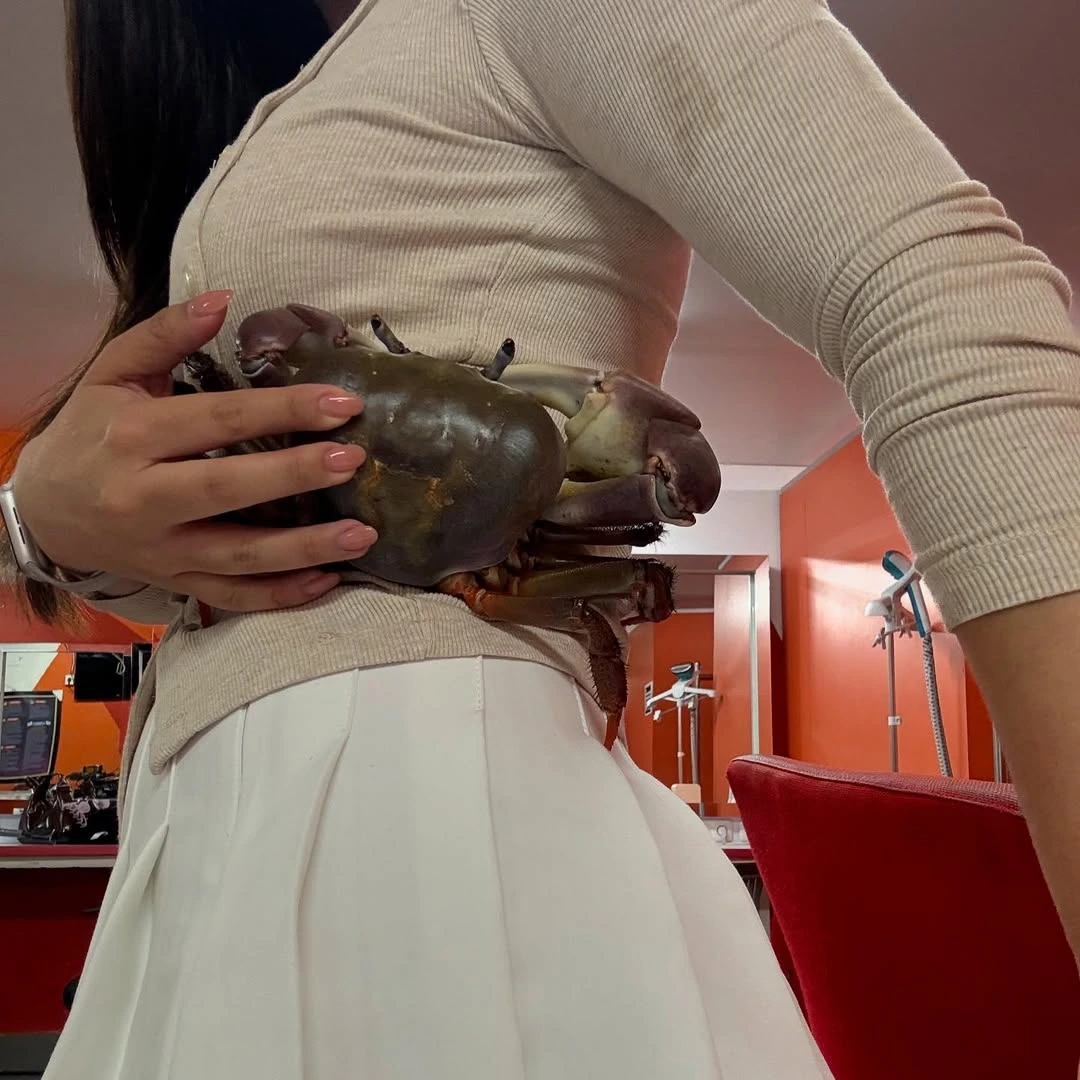
Meet James, a crustacean who has bypassed the dinner plate to become a beloved companion, enjoying a lifestyle that rivals, and perhaps surpasses, that of the average human. This heartwarming and slightly surreal story of an Indonesian woman and her pet crab has captured the internet’s attention, raising questions about companionship, luxury, and the bonds we form with the animal kingdom.

From Seafood Market to Five-Star Hotels
The story began when an Indonesian content creator visited a local seafood market. While most shoppers were selecting ingredients for a spicy chili crab dinner, she saw something different in one particular crustacean. Instead of a meal, she saw a friend.
She named him James.
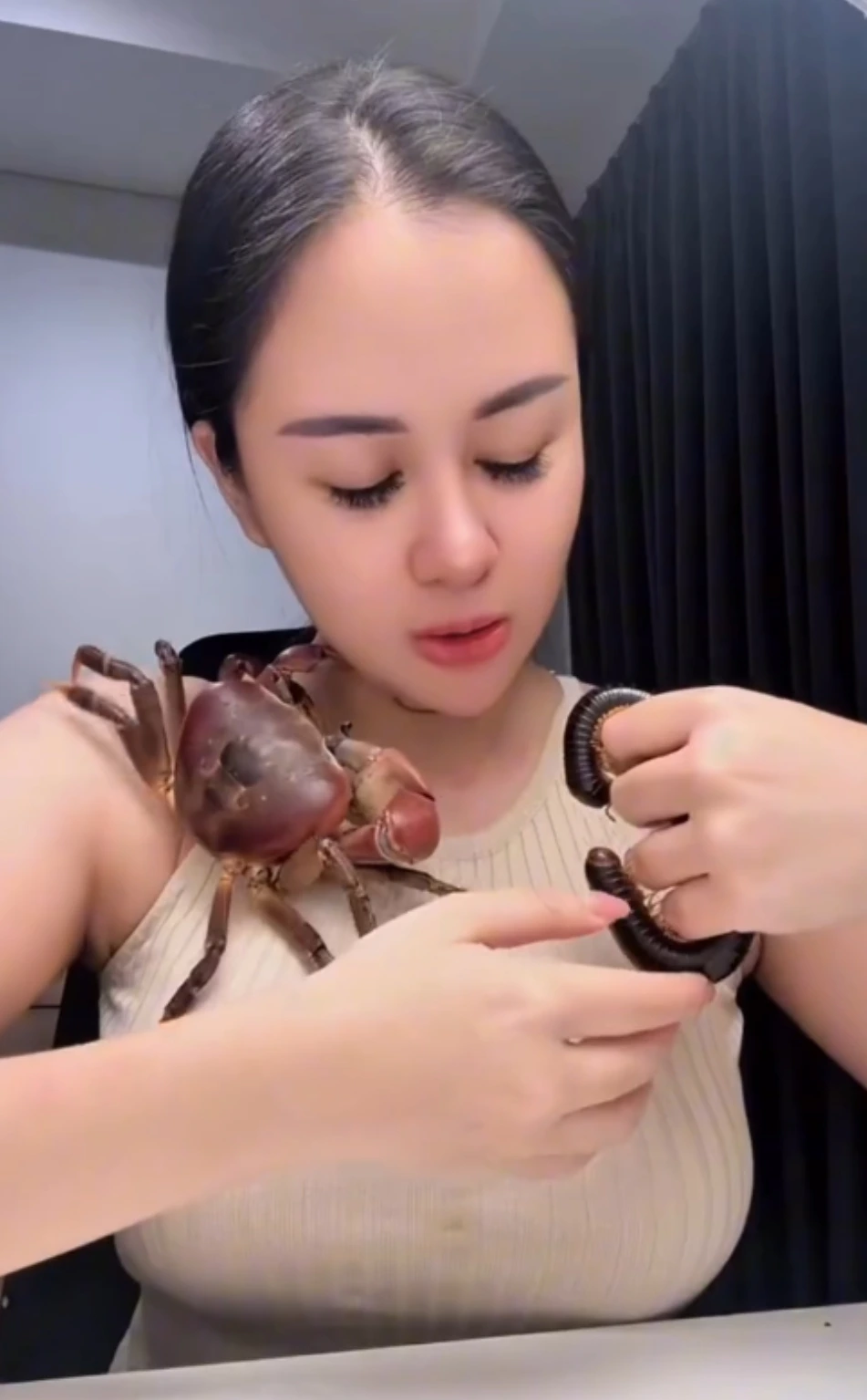
What followed was not a simple life in a fish tank. James was integrated into her daily life with a level of opulence that is startling. According to viral footage shared on platforms like TikTok and Instagram, James is not merely a pet; he is a pampered baby.
A Day in the Life of James: The Luxury Routine
To understand why this story has gone viral, one must look at the specific amenities James enjoys. This isn’t just about keeping a crab alive; it’s about helping him thrive in luxury.
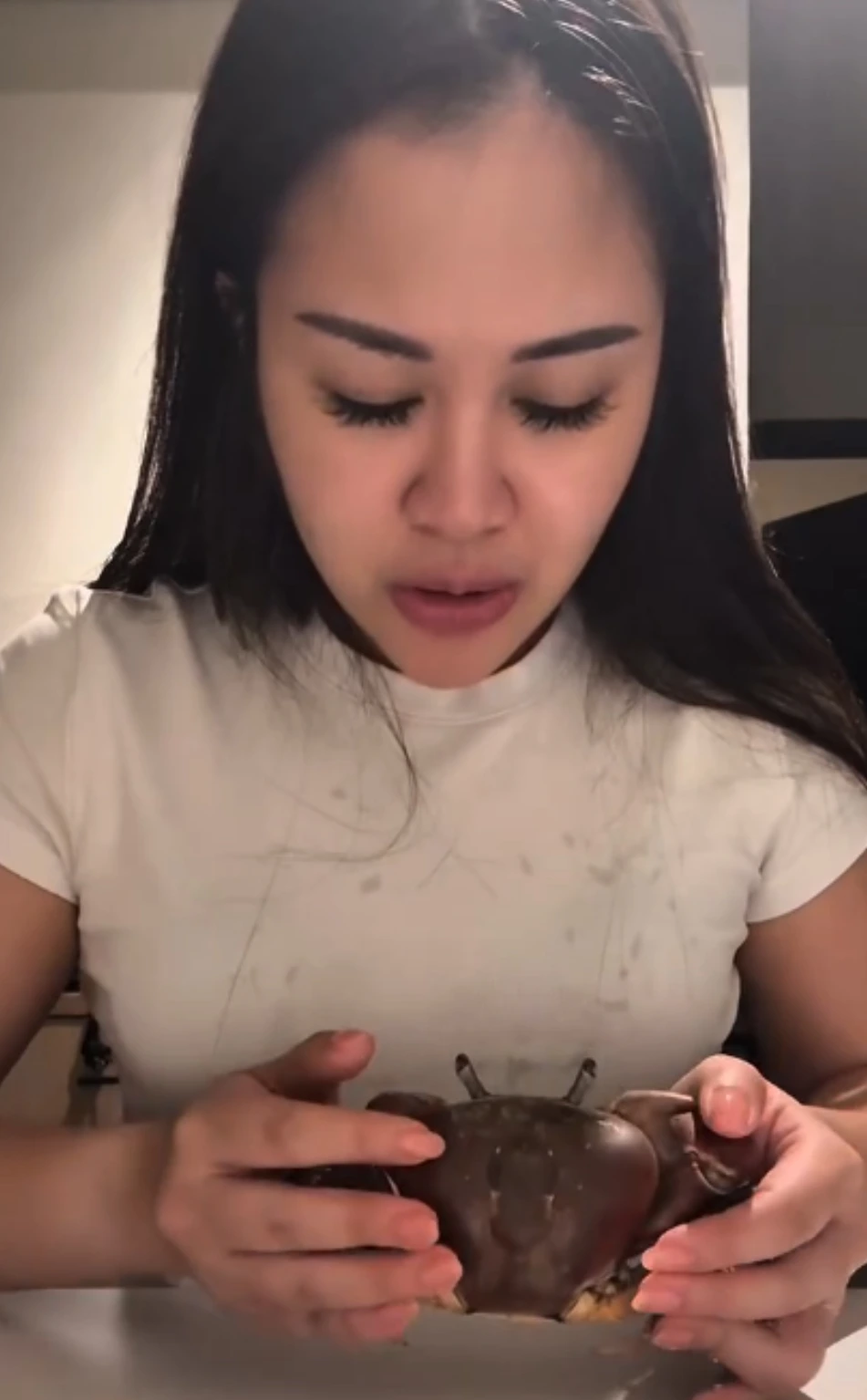
- Gourmet Dining: James does not feed on algae or standard fish pellets. He has been filmed dining on Wagyu beef, fresh salmon, and high-end fruits. His owner carefully hand-feeds him, ensuring he receives the best nutrition money can buy.
- Hygiene and Spa Treatments: Hygiene is paramount for James. His owner gently brushes his shell with a toothbrush to keep him gleaming. This “spa routine” creates a bond of trust between the predator (human) and the prey (crab).
- Travel and Leisure: Perhaps the most shocking aspect of James’s life is his social calendar. He has been spotted in a customized stroller, taking walks through malls, and even checking into luxury hotels. He watches television with his owner, reacting to the flickering lights of the screen.
The Internet’s Reaction: Confusion and Adoration
The internet’s reaction to James has been a mix of bewilderment and delight. In a digital landscape saturated with cat videos, a crab wearing a ribbon or sitting politely for a meal stands out.
Comments on the viral videos range from humorous envy—“I can’t believe a crab eats better than I do”—to genuine curiosity about crab intelligence. The story challenges the norm. In Indonesia, where seafood is a staple of the diet, humanizing a crab disrupts the cognitive dissonance between “animal” and “food.”
Viral Context: This story highlights a growing trend on social media called “Unconventional Bonding,” where humans domesticate animals usually perceived as food sources, such as ducks, chickens, or in this case, crabs.

The Science of Crabs: Can They Feel Love?
Decapod crustaceans, the group to which James belongs, have complex nervous systems. While they may not feel “love” in the mammalian sense (like a dog wagging its tail), science suggests they are capable of complex responses:
- Associative Learning: They can learn to associate their owner with food and safety.
- Stress Response: A crab that is constantly hiding is stressed. James, who appears calm and willing to be handled, suggests that he feels safe in his environment.
- Taste Reception: Crabs have chemoreceptors on their legs and mouthparts. They can absolutely distinguish between low-quality food and the high-fat, high-protein richness of Wagyu beef.
However, experts caution that while James seems happy, crabs require specific salinity levels, humidity, and water temperatures to survive long-term. His owner appears to go to great lengths to ensure his gills remain moist and his environment is suitable.
Conclusion: A Lucky Escape for James
James the crab serves as a reminder that pets come in all shapes and sizes. Whether he understands the monetary value of the Wagyu beef he consumes is irrelevant; what matters is the care he receives.
In a world where he was destined for a boiling pot, James found a savior who offered him the world. His story is a testament to human empathy and a fascinating case study in how social media can turn the most unlikely creature into a global superstar.
So, the next time you visit a seafood market, you might look at the tanks a little differently. You might just spot the next James waiting for his chance at the high life.
Disclaimer: This article is based on viral social media reports. Animal welfare experts recommend researching specific species’ needs before adopting exotic pets.